About X-Ray & Imaging Technology
X-ray and imaging technology education introduces the physical principles, patient-preparation routines, positioning concepts and radiation-safety responsibilities associated with diagnostic imaging support. Learners study how imaging departments coordinate patient identification, equipment preparation, exposure workflow and image documentation under authorised supervision.
The programme suits students interested in anatomy, technology and precision-based clinical support. It must not be presented as authorisation to independently order, perform or interpret examinations; the graduate’s duties depend on verified qualification, employer policy and applicable regulatory requirements.
What Students Learn
Anatomy and physiology
Body structures and landmarks relevant to safe patient positioning and imaging communication.
Radiology physics
Basic production of X-rays, image formation, exposure factors and equipment components.
Electricity physics
Electrical principles relevant to imaging equipment, controls and safe operational awareness.
Dark-room and image workflow
Traditional processing concepts alongside modern image handling, identification and quality awareness.
Special investigations
Introductory awareness of specialised imaging procedures and the preparation required by authorised teams.
Radiation protection
Time, distance, shielding, dose awareness, warning systems and safe departmental behaviour.
Programme Subjects & Practical Components
I Year
| Subject Code | Official BSS Subject |
|---|---|
| AHE078-01 | Communicative English & Computer Fundamentals (MS-Office) |
| AHE078-02 | Anatomy & Physiology |
| AHE078-03 | Radiology Physics |
| AHE078-04 | Dark Room Techniques |
| AHE078-05 | Electricity Physics |
| AHE078-06 | Practical – I |
| AHE078-07 | Practical – II |
| AHE078-08 | Practical – III |
| AHE078-09 | Practical – IV |
| AHE078-10 | Practical – V |
II Year
| Subject Code | Official BSS Subject |
|---|---|
| AHE078-11 | Special Investigation |
| AHE078-12 | Radiographic Physics |
| AHE078-13 | Hospital Practice, Care of Patients |
| AHE078-14 | Radiation Hazards & Measures |
| AHE078-15 | ECG & Imaging Services |
| AHE078-16 | Practical – VI |
| AHE078-17 | Practical – VII |
| AHE078-18 | Practical – VIII |
| AHE078-19 | Practical – IX |
| AHE078-20 | Practical – X |
Subject names are presented as listed in the BSS academic reference used for this course page.
Practical Learning
Practical activities may include
- Patient identity and examination-request checks
- Room and accessory preparation before supervised procedures
- Basic positioning demonstrations using safe techniques
- Protective-device selection and radiation-area discipline
- Image labelling, record flow and post-procedure room reset
Equipment and resources
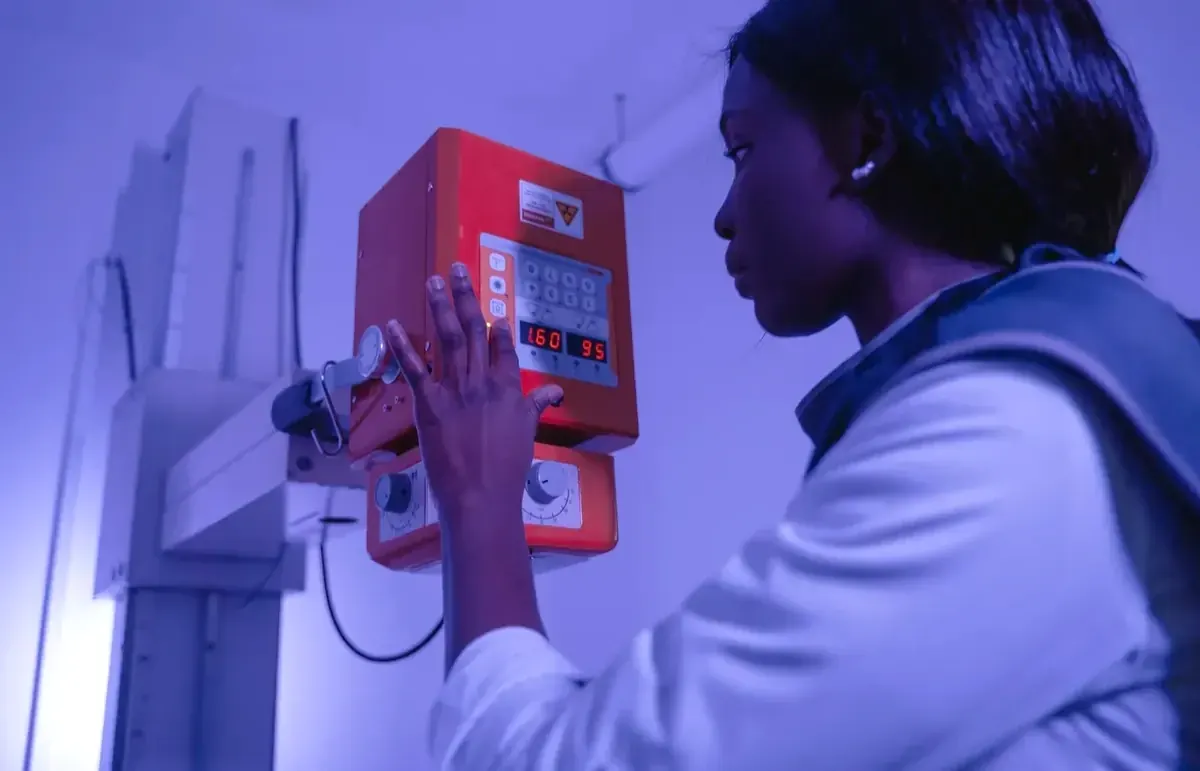
- X-ray unit and control console awareness
- Image receptor, cassette and detector handling
- Lead apron, thyroid shield and protective screens
- Positioning aids, tables and immobilisation accessories
- Workstation, image archive and documentation systems
Programme Features
Skills Developed
- Describe the imaging workflow from request to documented completion
- Recognise basic anatomical positioning landmarks
- Apply radiation-safety principles in supervised settings
- Prepare patients, rooms and accessories with professionalism
- Escalate equipment, identity or safety concerns promptly
Work Settings
- Radiography technician trainee
- Imaging-department assistant
- X-ray room support staff
- Patient-positioning and workflow assistant
- Imaging records or equipment-support assistant
Career Guidance & Placement Support
Career guidance focuses on profile preparation, interview orientation, workplace communication and awareness of suitable healthcare work settings.
Who This Programme Suits
This programme is designed for learners who are interested in imaging-department and patient-preparation environments, value practical learning and can follow structured safety, teamwork and documentation practices.
Admission Enquiry
- Choose the programmeReview the overview, subjects, practical learning and career direction for the course.
- Contact admissionsShare your name, preferred programme and location through WhatsApp or phone.
- Submit the applicationComplete the online form or application process with the documents requested by admissions.
- Confirm enrolmentReceive the current fee, batch timing and joining information from the admission team.
Frequently Asked Questions
Review the programme overview, published duration, learning areas, practical components, career direction and current admission information on this page.
The page describes programme-linked practical learning, supervised familiarisation and the relevant safety or documentation context.
Contact the admission team for the current eligibility route, branch, timetable, fee and joining information before applying.
Use the admission enquiry first, then continue through the official online application or the institute's published application process.
Use the Placement Support page for published recruiter records and the institute's career-guidance information.