About Dialysis Technology
Dialysis technology introduces learners to renal-care terminology, dialysis principles, patient-support routines, machine preparation and infection-control discipline. The curriculum includes nephrology orientation, haemodialysis and peritoneal-dialysis awareness, patient-care management and supervised practical papers.
The programme introduces dialysis-unit support within a clinical team led by authorised renal-care professionals. Technician training supports preparation, observation, documentation and equipment workflow; it does not authorise independent prescription, cannulation or alteration of treatment parameters.
What Students Learn
Renal-system foundations
Kidney functions, fluid balance, common renal terminology and reasons dialysis may be required.
Dialysis principles
Diffusion, ultrafiltration, dialysate and the basic purpose of haemodialysis components.
Peritoneal dialysis
Introductory modalities, exchange-cycle awareness, asepsis and complication escalation.
Patient preparation
Identity, pre-treatment observations, comfort, positioning and communication under supervision.
Machine workflow
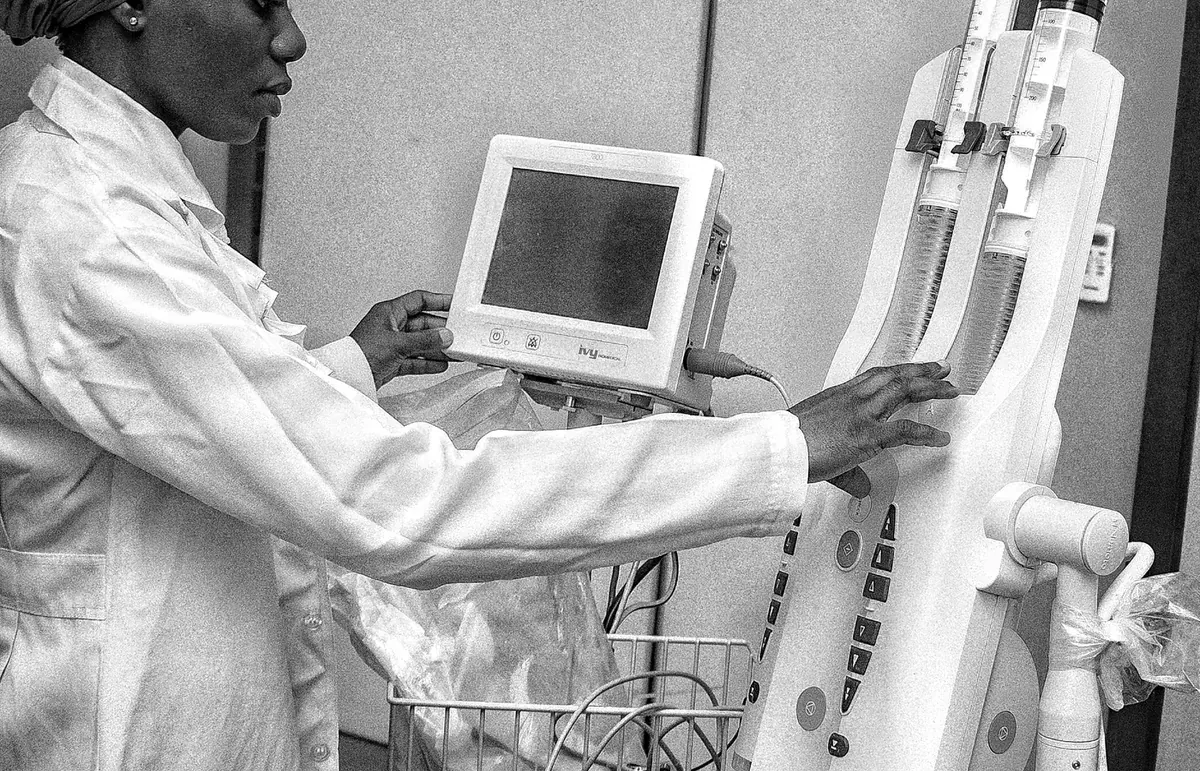
Preparation, priming awareness, consumables, alarms, disinfection and post-session reset.
Care documentation
Treatment records, stock traceability, infection-control logs and escalation of abnormal observations.
Programme Subjects & Practical Components
I Year
| Subject Code | Official BSS Subject |
|---|---|
| AHE025-01 | Communicative English and Computer Fundamentals |
| AHE025-02 | General Orientation in Nephrology, History & Principles of Dialysis – I |
| AHE025-03 | Peritoneal & Recent Advance in Dialysis – I |
| AHE025-04 | Dialysis – Patient Care Management – I |
| AHE025-05 | Practical – I |
| AHE025-06 | Practical – II |
| AHE025-07 | Practical – III |
| AHE025-08 | Practical – IV |
II Year
| Subject Code | Official BSS Subject |
|---|---|
| AHE025-09 | General Orientation in Nephrology, History & Principles of Dialysis – II |
| AHE025-10 | Peritoneal & Recent Advance in Dialysis – II |
| AHE025-11 | Dialysis – Patient Care Management – II |
| AHE025-12 | Practical – V |
| AHE025-13 | Practical – VI |
| AHE025-14 | Practical – VII |
Subject names are presented as listed in the BSS academic reference used for this course page.
Practical Learning
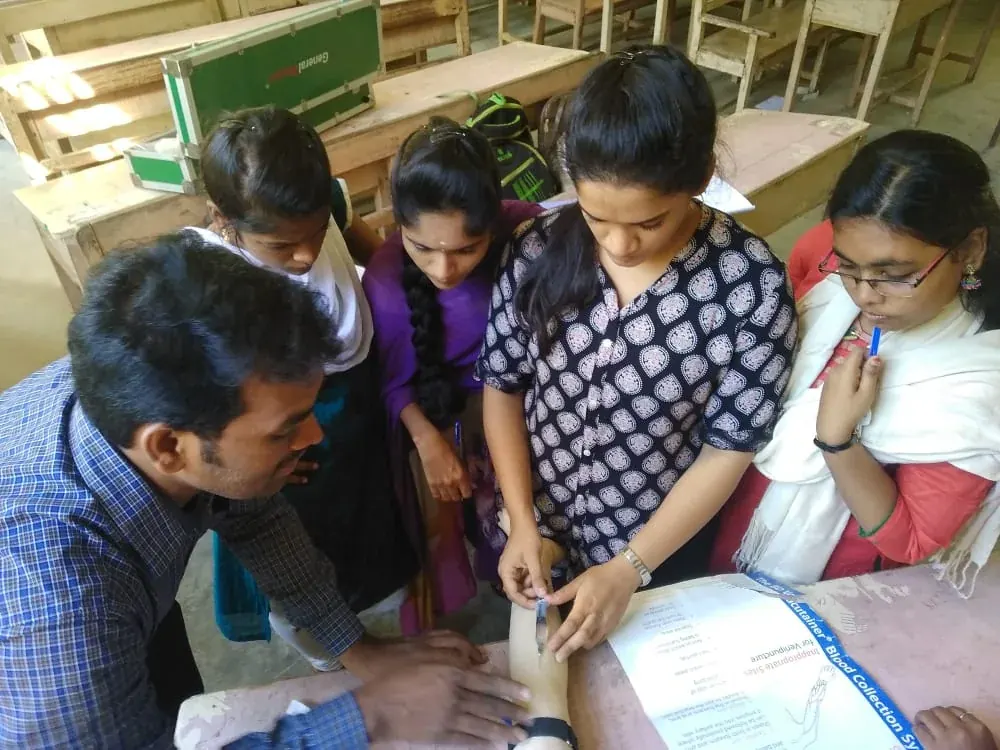
Practical activities may include
- Dialysis-unit zoning, PPE and hand-hygiene routines
- Machine component and disposable-set identification
- Pre-use preparation steps and priming demonstrations
- Patient weighing, positioning and observation support
- Post-session cleaning, waste disposal and record completion
Equipment and resources
- Haemodialysis machine and display controls
- Dialyser, tubing set and dialysate components
- Water-treatment-system awareness
- Blood-pressure monitor, weighing scale and pulse oximeter
- Emergency trolley and infection-control supplies
Programme Features
Skills Developed
- Describe the principles and sequence of a dialysis session
- Prepare the environment and equipment under authorised supervision
- Apply infection-control and blood-spill procedures
- Observe patients and recognise alarms requiring escalation
- Maintain accurate consumable and treatment-support records
Work Settings
- Dialysis technician trainee
- Renal-unit technical assistant
- Dialysis equipment and consumables support
- Patient-observation and documentation assistant
- Dialysis-centre infection-control support
Career Guidance & Placement Support
Career guidance focuses on profile preparation, interview orientation, workplace communication and awareness of suitable healthcare work settings.
Who This Programme Suits
This programme is designed for learners who are interested in dialysis-unit and renal-care support environments, value practical learning and can follow structured safety, teamwork and documentation practices.
Admission Enquiry
- Choose the programmeReview the overview, subjects, practical learning and career direction for the course.
- Contact admissionsShare your name, preferred programme and location through WhatsApp or phone.
- Submit the applicationComplete the online form or application process with the documents requested by admissions.
- Confirm enrolmentReceive the current fee, batch timing and joining information from the admission team.
Frequently Asked Questions
Review the programme overview, published duration, learning areas, practical components, career direction and current admission information on this page.
The page describes programme-linked practical learning, supervised familiarisation and the relevant safety or documentation context.
Contact the admission team for the current eligibility route, branch, timetable, fee and joining information before applying.
Use the admission enquiry first, then continue through the official online application or the institute's published application process.
Use the Placement Support page for published recruiter records and the institute's career-guidance information.