About Optometry
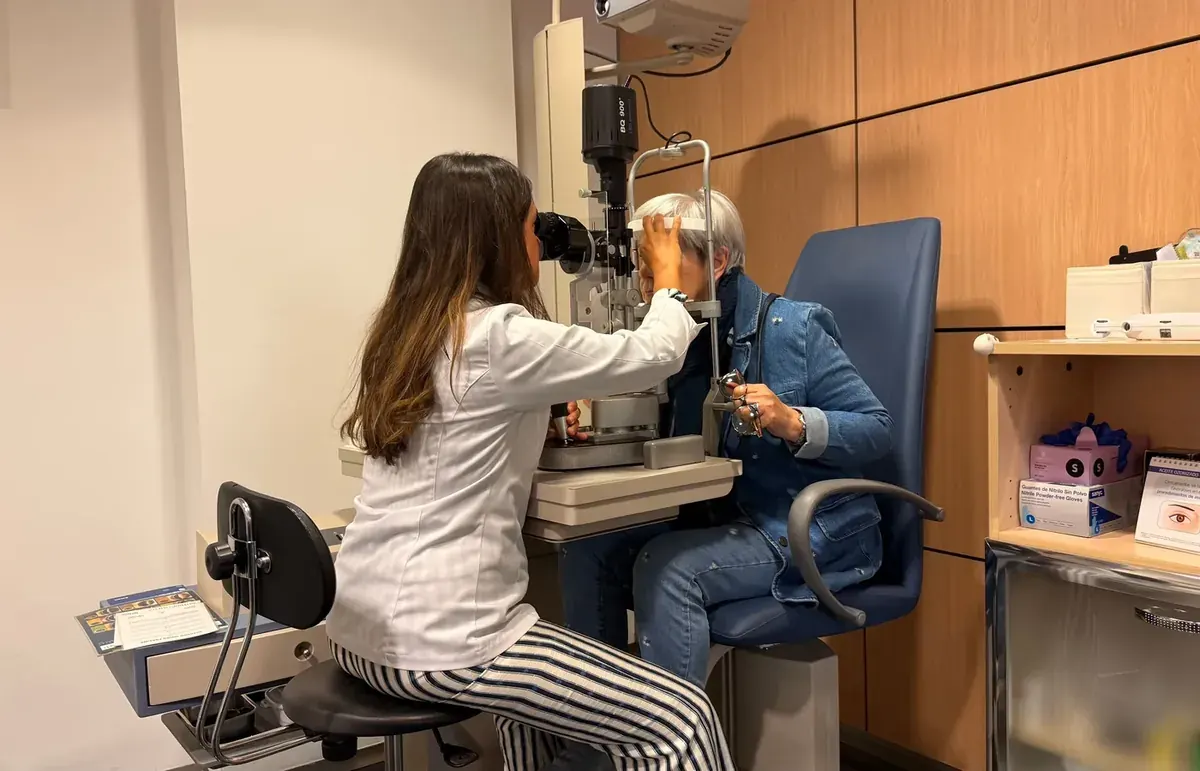
Optometry education introduces the anatomy and physiology of the eye, physiological optics, refraction principles, clinical ophthalmology, community optometry and the use of common eye-examination instruments. The BSS syllabus combines these subjects with workshop, nursing and practical papers across two years.
The programme is appropriate for students interested in vision-care support and precise instrument-based assessment. Clinical diagnosis, prescribing and independent practice depend on the qualification, registration and legal scope applicable to the graduate; the website therefore presents these as supervised learning areas.
What Students Learn
Eye anatomy and physiology
Structures of the eye, visual pathway and common terminology used in eye-care settings.
Physiological optics
Light, lenses, image formation and the optical basis of refractive errors.
Refraction principles
Objective and subjective-refraction awareness under qualified supervision.
Optometric instruments
Purpose, setup, cleaning and safe handling of commonly used examination devices.
Clinical ophthalmology
Introductory recognition of symptoms and the importance of timely professional referral.
Community optometry
Vision-screening organisation, patient education and record maintenance in outreach settings.
Programme Subjects & Practical Components
I Year
| Subject Code | Official BSS Subject |
|---|---|
| AHE016-01 | Communicative English and Computer Fundamentals |
| AHE016-02 | Anatomy & Physiology of Eye |
| AHE016-03 | Basic Microbiology, Pharmacology & Clinical Pathology |
| AHE016-04 | Physiological Optics & Principles of Refraction |
| AHE016-05 | Optometric Instruments |
| AHE016-06 | Practical – I |
| AHE016-07 | Practical – II |
| AHE016-08 | Practical – III |
| AHE016-09 | Practical – IV |
| AHE016-10 | Practical – V |
II Year
| Subject Code | Official BSS Subject |
|---|---|
| AHE016-11 | Clinical Ophthalmology |
| AHE016-12 | Practice of Refraction |
| AHE016-13 | Optometry Workshop |
| AHE016-14 | Community Optometry |
| AHE016-15 | Optometry Nursing |
| AHE016-16 | Practical – VI |
| AHE016-17 | Practical – VII |
| AHE016-18 | Practical – VIII |
| AHE016-19 | Practical – IX |
| AHE016-20 | Practical – X |
Subject names are presented as listed in the BSS academic reference used for this course page.
Practical Learning
Practical activities may include
- Visual-acuity chart setup and supervised testing
- Lens, frame and optical-accessory identification
- Instrument alignment and cleaning demonstrations
- Basic refraction-workflow observation
- Community-screening records and referral communication
Equipment and resources
- Visual-acuity charts and occluders
- Trial frame, trial lens set and lensometer awareness
- Retinoscope and autorefractor awareness
- Slit lamp and ophthalmoscope awareness
- PD ruler, focimeter and optical workshop tools
Programme Features
Skills Developed
- Explain major eye structures and basic optics
- Prepare common optometry instruments and test areas
- Record measurements accurately under supervision
- Communicate clearly during vision-screening activities
- Recognise findings that require referral to an authorised practitioner
Work Settings
- Optometry technician trainee
- Optical showroom technical assistant
- Eye-clinic examination-room support
- Vision-screening programme assistant
- Optical workshop and records support
Career Guidance & Placement Support
Career guidance focuses on profile preparation, interview orientation, workplace communication and awareness of suitable healthcare work settings.
Who This Programme Suits
This programme is designed for learners who are interested in eye-care and vision-testing support environments, value practical learning and can follow structured safety, teamwork and documentation practices.
Admission Enquiry
- Choose the programmeReview the overview, subjects, practical learning and career direction for the course.
- Contact admissionsShare your name, preferred programme and location through WhatsApp or phone.
- Submit the applicationComplete the online form or application process with the documents requested by admissions.
- Confirm enrolmentReceive the current fee, batch timing and joining information from the admission team.
Frequently Asked Questions
Review the programme overview, published duration, learning areas, practical components, career direction and current admission information on this page.
The page describes programme-linked practical learning, supervised familiarisation and the relevant safety or documentation context.
Contact the admission team for the current eligibility route, branch, timetable, fee and joining information before applying.
Use the admission enquiry first, then continue through the official online application or the institute's published application process.
Use the Placement Support page for published recruiter records and the institute's career-guidance information.