About Accident & Emergency Technology
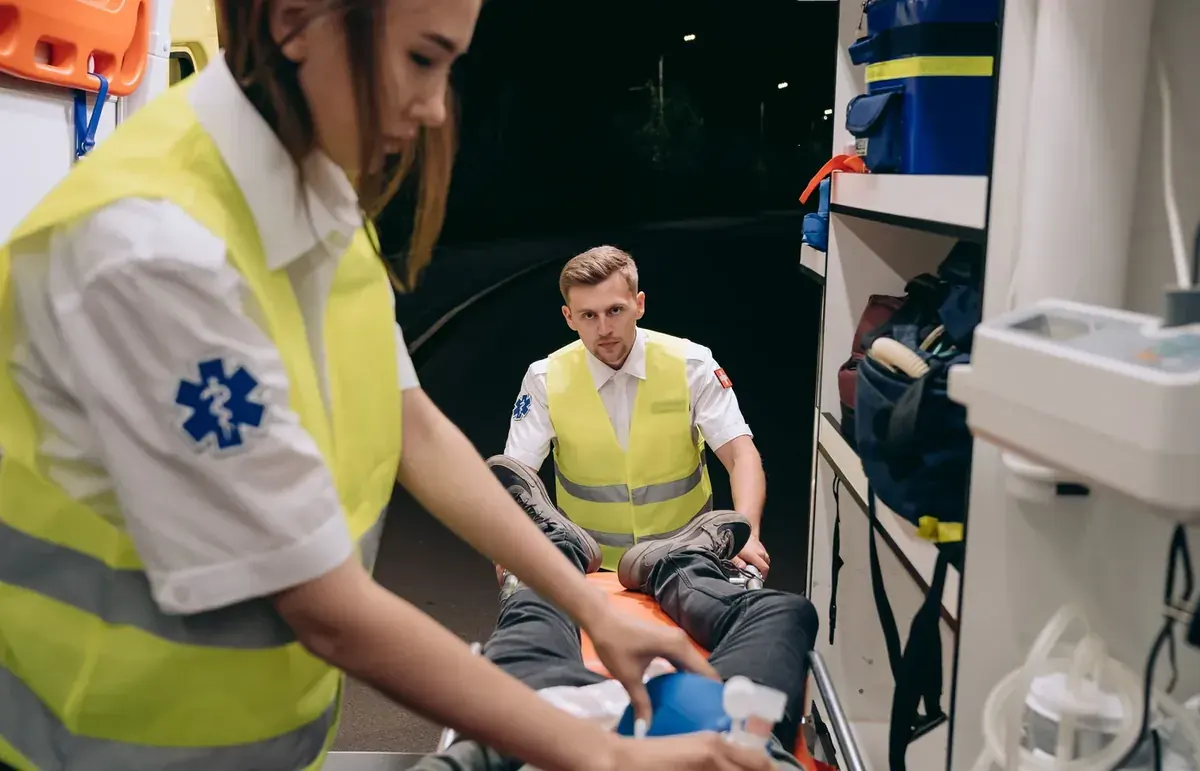
Accident and emergency technology education develops awareness of scene safety, rapid communication, emergency-department workflow, basic first-response support and equipment readiness. The BSS syllabus progresses from accident management and emergency techniques to emergency operations, equipment and multiple practical papers.
The programme is best suited to learners who remain composed, follow instructions and work effectively in a team. It does not authorise unsupervised invasive procedures or independent emergency treatment; actions must remain within verified training, employer protocols and direction from authorised professionals.
What Students Learn
Scene and personal safety
Hazard recognition, PPE, safe approach and avoiding additional harm.
Emergency assessment awareness
Structured observation, patient identity, mechanism of injury and rapid escalation.
First-aid support
Basic bleeding control, positioning, immobilisation awareness and comfort measures.
Emergency operations
Triage-support concepts, movement through casualty areas and coordinated team roles.
Equipment readiness
Checking emergency bags, oxygen accessories, stretchers and monitoring supplies.
Communication and records
Clear handover, time recording, incident documentation and confidentiality.
Programme Subjects & Practical Components
I Year
| Subject Code | Official BSS Subject |
|---|---|
| AHE032-01 | Communicative English and Computer Fundamentals |
| AHE032-02 | Accident Management |
| AHE032-03 | Emergency Techniques |
| AHE032-04 | Practical – I |
| AHE032-05 | Practical – II |
| AHE032-06 | Practical – III |
II Year
| Subject Code | Official BSS Subject |
|---|---|
| AHE032-07 | Emergency Management |
| AHE032-08 | Accident – Operations |
| AHE032-09 | Accident & Emergency Equipments |
| AHE032-10 | Practical – IV |
| AHE032-11 | Practical – V |
| AHE032-12 | Practical – VI |
Subject names are presented as listed in the BSS academic reference used for this course page.
Practical Learning
Practical activities may include
- Emergency-scene and casualty-reception simulations
- Basic first-aid and bandaging demonstrations
- Stretcher handling and safe transfer drills
- Emergency bag and equipment preparation steps practice
- Structured handover and incident-record exercises
Equipment and resources
- Stretcher, scoop and transfer accessories
- First-aid and trauma dressing supplies
- Oxygen-delivery and suction awareness
- Bag-valve-mask and airway accessories awareness
- Basic monitor, pulse oximeter and emergency trolley
Programme Features
Skills Developed
- Apply scene-safety and PPE principles
- Support structured observation and rapid escalation
- Assist with safe movement and basic first-aid routines
- Prepare and account for emergency equipment
- Deliver concise supervised handover information
Work Settings
- Emergency-care technician trainee
- Casualty-department support assistant
- Ambulance equipment and patient-transfer support
- First-aid room assistant
- Emergency documentation and logistics support
Career Guidance & Placement Support
Career guidance focuses on profile preparation, interview orientation, workplace communication and awareness of suitable healthcare work settings.
Who This Programme Suits
This programme is designed for learners who are interested in emergency-care and patient-support environments, value practical learning and can follow structured safety, teamwork and documentation practices.
Admission Enquiry
- Choose the programmeReview the overview, subjects, practical learning and career direction for the course.
- Contact admissionsShare your name, preferred programme and location through WhatsApp or phone.
- Submit the applicationComplete the online form or application process with the documents requested by admissions.
- Confirm enrolmentReceive the current fee, batch timing and joining information from the admission team.
Frequently Asked Questions
Review the programme overview, published duration, learning areas, practical components, career direction and current admission information on this page.
The page describes programme-linked practical learning, supervised familiarisation and the relevant safety or documentation context.
Contact the admission team for the current eligibility route, branch, timetable, fee and joining information before applying.
Use the admission enquiry first, then continue through the official online application or the institute's published application process.
Use the Placement Support page for published recruiter records and the institute's career-guidance information.