
About Critical Care Management
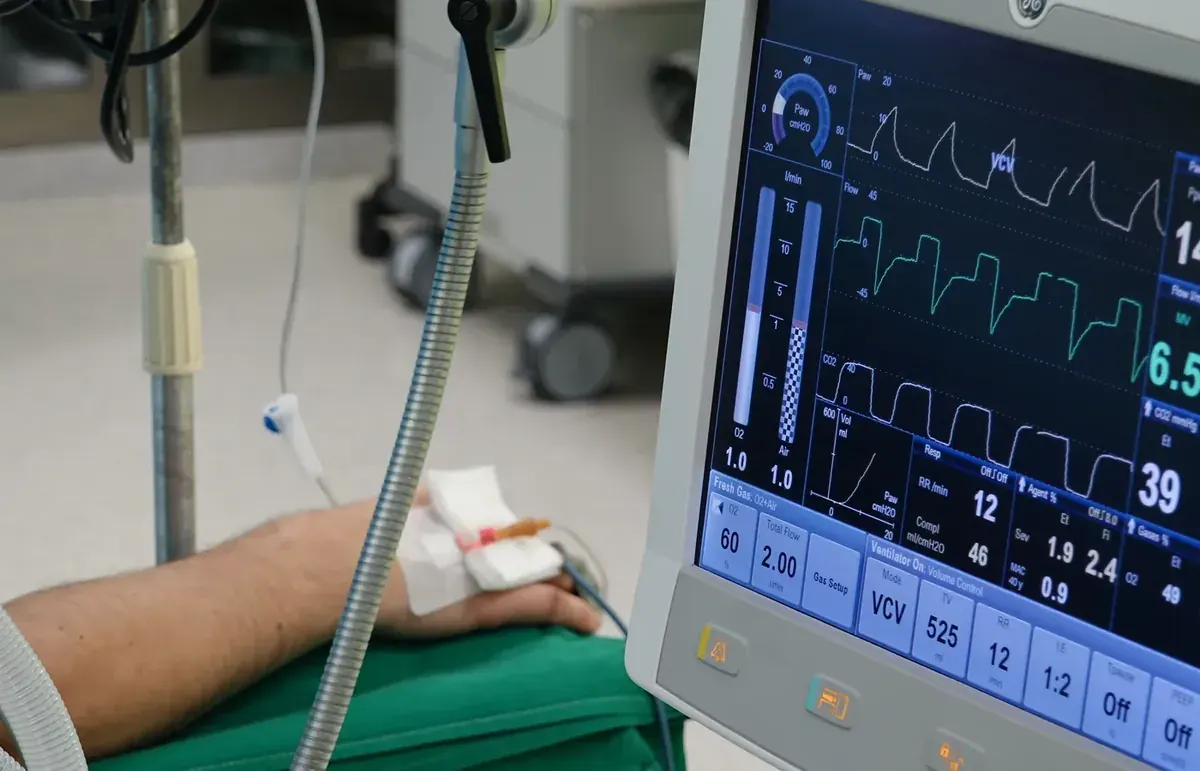
Critical care management education introduces students to high-dependency clinical environments, nursing foundations, emergency techniques, trauma-care awareness, monitoring support and casualty workflow. Students learn to prepare equipment, maintain infection-control discipline and recognise observations that require immediate escalation.
Intensive care involves complex decisions made by qualified clinicians. A technician programme supports delegated preparation and observation tasks only; it does not authorise diagnosis, medication administration, ventilator-setting changes or other independent clinical decisions.
What Students Learn
Human-body and disease foundations
Basic systems, microorganisms and selected behavioural-health concepts in the BSS syllabus.
Nursing fundamentals
Comfort, hygiene, positioning and basic care support within delegated responsibilities.
Emergency techniques
First-aid principles, rapid escalation and emergency-equipment readiness.
Critical-care workflow
Unit zoning, handover, observation charts and multidisciplinary team coordination.
Trauma and casualty awareness
Initial support, safe movement and continuity between emergency and critical-care areas.
Monitoring support
Vital-sign display awareness, alarm recognition, documentation and equipment checks.
Programme Subjects & Practical Components
I Year
| Subject Code | Official BSS Subject |
|---|---|
| AHE041-01 | Communicative English and Computer Fundamentals |
| AHE041-02 | Study of the Human Body, Microorganism & Psychiatric Disease |
| AHE041-03 | Fundamentals of Nursing |
| AHE041-04 | First Aid & Emergency Techniques |
| AHE041-05 | Practical – I |
| AHE041-06 | Practical – II |
| AHE041-07 | Practical – III |
| AHE041-08 | Practical – IV |
II Year
| Subject Code | Official BSS Subject |
|---|---|
| AHE041-09 | Critical Care Management |
| AHE041-10 | Trauma Care Management |
| AHE041-11 | Casualty Management |
| AHE041-12 | Practical – V |
| AHE041-13 | Practical – VI |
| AHE041-14 | Practical – VII |
Subject names are presented as listed in the BSS academic reference used for this course page.
Practical Learning
Practical activities may include
- ICU entry, PPE and infection-control routines
- Patient-positioning and comfort demonstrations
- Monitor, oxygen and suction readiness checks
- Emergency-trolley inventory and seal checks
- Observation-chart and supervised handover exercises
Equipment and resources
- Multiparameter monitor and pulse oximeter
- Oxygen-delivery and suction apparatus
- Infusion-pump and syringe-pump awareness
- Ventilator circuits and alarm awareness without setting changes
- Emergency trolley and resuscitation accessories
Programme Features
Skills Developed
- Explain the technician’s delegated role in critical care
- Prepare commonly used support equipment and supplies
- Recognise alarms and changes requiring immediate escalation
- Apply infection-control and safe-patient-handling principles
- Maintain clear observation and inventory documentation
Work Settings
- Critical-care technician trainee
- ICU or HDU support assistant
- Monitoring and equipment-readiness assistant
- Casualty-to-ICU transfer support
- Critical-care stores and documentation assistant
Career Guidance & Placement Support
Career guidance focuses on profile preparation, interview orientation, workplace communication and awareness of suitable healthcare work settings.
Who This Programme Suits
This programme is designed for learners who are interested in critical-care and monitored patient-support environments, value practical learning and can follow structured safety, teamwork and documentation practices.
Admission Enquiry
- Choose the programmeReview the overview, subjects, practical learning and career direction for the course.
- Contact admissionsShare your name, preferred programme and location through WhatsApp or phone.
- Submit the applicationComplete the online form or application process with the documents requested by admissions.
- Confirm enrolmentReceive the current fee, batch timing and joining information from the admission team.
Frequently Asked Questions
Review the programme overview, published duration, learning areas, practical components, career direction and current admission information on this page.
The page describes programme-linked practical learning, supervised familiarisation and the relevant safety or documentation context.
Contact the admission team for the current eligibility route, branch, timetable, fee and joining information before applying.
Use the admission enquiry first, then continue through the official online application or the institute's published application process.
Use the Placement Support page for published recruiter records and the institute's career-guidance information.