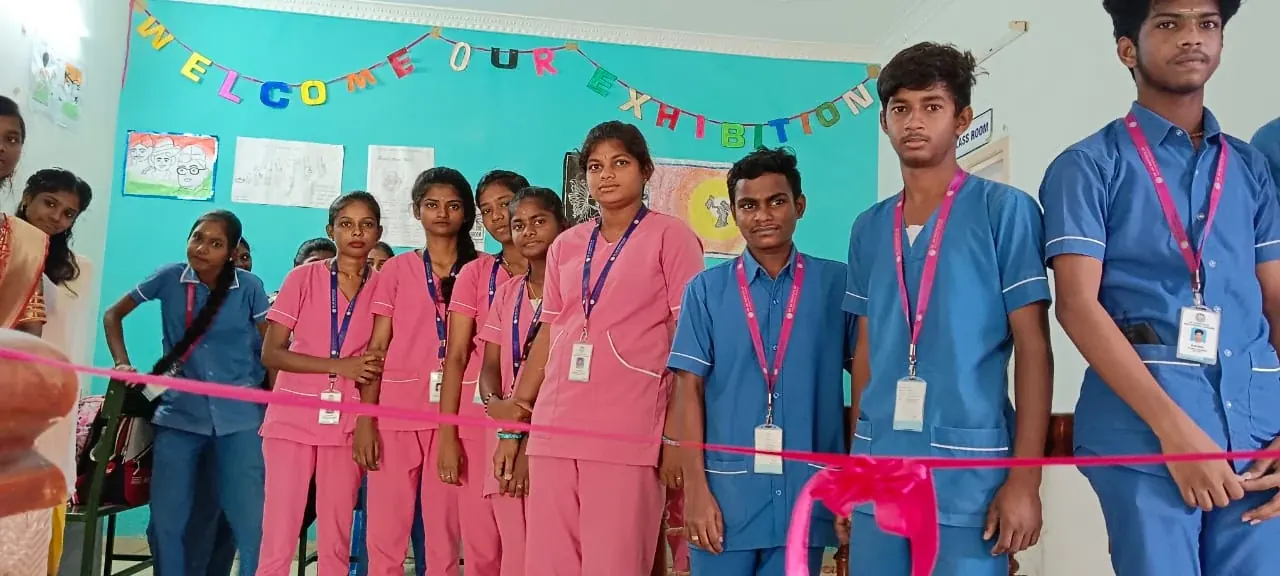

About Medical Laboratory Technology
Medical laboratory technology supports the organised processing of specimens and the production of dependable laboratory information for authorised clinical teams. This programme introduces learners to the scientific foundations, safety discipline, documentation and supervised practical routines used in diagnostic laboratory environments.
The curriculum is suitable for students who are careful with detail, comfortable following standard procedures and interested in biochemistry, microbiology, haematology, blood banking and histopathology. Training emphasises specimen traceability, contamination prevention, equipment care and responsible laboratory practice.
What Students Learn
Clinical biochemistry
Foundations of biochemical testing workflows, reagent awareness, sample preparation and result documentation.
Clinical microbiology
Aseptic technique, contamination control, staining and culture-process awareness under supervision.
Haematology
Blood components, routine haematology workflow and careful handling of anticoagulated specimens.
Blood banking
Introductory blood-grouping, compatibility-process awareness, traceability and safety documentation.
Histopathology
Tissue-receipt, fixation, processing and slide-preparation concepts within defined laboratory protocols.
Quality systems
Equipment logs, stock records, internal checks, error prevention, confidentiality and escalation procedures.
Programme Subjects & Practical Components
I Year
| Subject Code | Official BSS Subject |
|---|---|
| AHE001-01 | Communicative English and Computer Fundamentals |
| AHE001-02 | Clinical Bio Chemistry – I |
| AHE001-03 | Clinical Micro Biology – I & Parasitology |
| AHE001-04 | Haematology, Blood Banking & Histopathology – I |
| AHE001-05 | Practical – I |
| AHE001-06 | Practical – II |
| AHE001-07 | Practical – III |
| AHE001-08 | Practical – IV |
II Year
| Subject Code | Official BSS Subject |
|---|---|
| AHE001-09 | Clinical Bio Chemistry – II |
| AHE001-10 | Clinical Micro Biology – II |
| AHE001-11 | Haematology, Blood Banking & Histopathology – II |
| AHE001-12 | Practical – V |
| AHE001-13 | Practical – VI |
| AHE001-14 | Practical – VII |
Subject names are presented as listed in the BSS academic reference used for this course page.
How the subjects connect inside a diagnostic laboratory
Practical Learning
Practical activities may include
- Workstation preparation and personal protective equipment
- Sample receipt, labelling, transport and rejection awareness
- Basic microscope handling and cleaning
- Glassware, consumables and reagent identification
- Registers, equipment logs and laboratory waste segregation
Equipment and resources
- Microscope and slide-handling accessories
- Centrifuge and basic sample-processing tools
- Haematology and biochemistry analyser awareness
- Pipettes, test tubes and laboratory glassware
- Refrigeration, storage and biomedical-waste containers
Programme Features
Skills Developed
- Explain the pre-analytical, analytical and post-analytical workflow
- Maintain traceable records and identify common documentation errors
- Follow infection-control and laboratory-safety procedures
- Handle basic laboratory equipment with supervised care
- Recognise observations or incidents requiring immediate escalation
Work Settings
- Laboratory technician trainee
- Diagnostic-centre laboratory assistant
- Sample collection or processing support
- Hospital laboratory support staff
- Laboratory records and inventory assistant
Career Guidance & Placement Support
Career guidance focuses on profile preparation, interview orientation, workplace communication and awareness of suitable healthcare work settings.
Who This Programme Suits
This programme is designed for learners who are interested in diagnostic laboratory and specimen-processing environments, value practical learning and can follow structured safety, teamwork and documentation practices.
Admission Enquiry
- Choose the programmeReview the overview, subjects, practical learning and career direction for the course.
- Contact admissionsShare your name, preferred programme and location through WhatsApp or phone.
- Submit the applicationComplete the online form or application process with the documents requested by admissions.
- Confirm enrolmentReceive the current fee, batch timing and joining information from the admission team.
Frequently Asked Questions
Review the programme overview, published duration, learning areas, practical components, career direction and current admission information on this page.
The page describes programme-linked practical learning, supervised familiarisation and the relevant safety or documentation context.
Contact the admission team for the current eligibility route, branch, timetable, fee and joining information before applying.
Use the admission enquiry first, then continue through the official online application or the institute's published application process.
Use the Placement Support page for published recruiter records and the institute's career-guidance information.