
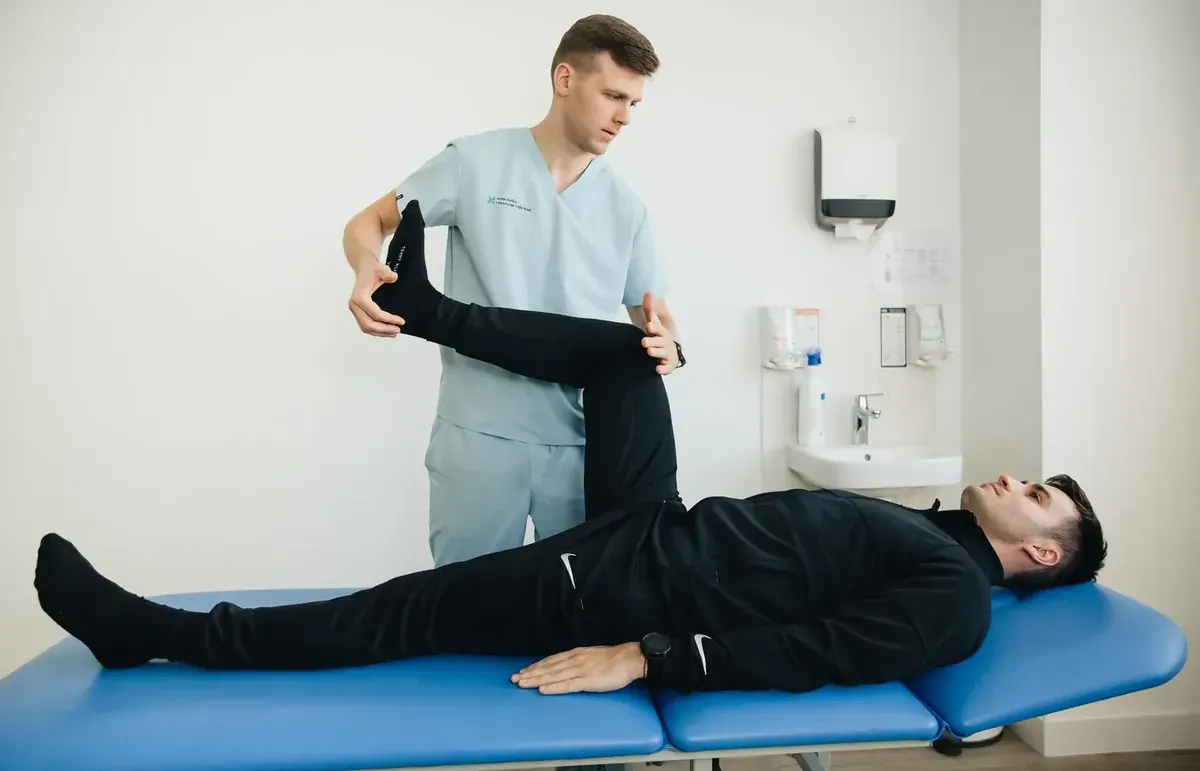
About Physiotherapy Technician
The BSS Physiotherapy Technician course introduces anatomy, physiology, pathology, personal hygiene, basic occupational therapy, nursing, first aid, community educational aids, manual activities, remedial gymnastics and hydrotherapy concepts. Four practical papers support the one-year structure.
A technician supports exercise preparation, equipment organisation, safe movement and documentation under the direction of a qualified rehabilitation professional. The course does not authorise independent assessment, diagnosis or prescription of treatment programmes.
What Students Learn
Anatomy and movement
Muscles, joints, posture and basic movement terminology.
Pathology awareness
Introductory understanding of conditions that may affect mobility and function.
Basic occupational therapy
Activity adaptation and support concepts in daily-living rehabilitation.
First aid and hygiene
Safe environment, personal hygiene and response to discomfort or incidents.
Remedial exercise
Supervised exercise setup, repetition, positioning and observation.
Hydrotherapy and community aids
Introductory water-based rehabilitation concepts and educational support tools.
Programme Subjects & Practical Components
One Year
| Subject Code | Official BSS Subject |
|---|---|
| AHE035-01 | Communicative English and Computer Fundamentals |
| AHE035-02 | Anatomy, Physiology, Pathology and Personal Hygiene |
| AHE035-03 | Basic Occupational Therapy, Nursing, First Aid and Community Educational Aids |
| AHE035-04 | Manual Activities, Craft, Remedial Gymnastics and Hydrotherapy |
| AHE035-05 | Practical – I |
| AHE035-06 | Practical – II |
| AHE035-07 | Practical – III |
| AHE035-08 | Practical – IV |
Subject names are presented as listed in the BSS academic reference used for this course page.
Practical Learning
Practical activities may include
- Treatment-area preparation and equipment checks
- Safe positioning and transfer demonstrations
- Supervised range-of-motion and exercise assistance
- Basic walking-aid and posture-support practice
- Cleaning, storage and session-record support
Equipment and resources
- Exercise mats, bands, balls and weights
- Parallel bars and walking aids
- Treatment couch and positioning supports
- Hot or cold modality awareness
- Basic hydrotherapy and occupational-activity aids
Programme Features
Skills Developed
- Prepare a safe rehabilitation environment
- Assist with exercises exactly as directed
- Observe tolerance and escalate pain or distress
- Handle basic mobility aids responsibly
- Maintain equipment and simple session records
Work Settings
- Physiotherapy technician trainee
- Rehabilitation-centre support assistant
- Exercise-area and equipment assistant
- Elder-care mobility-support assistant
- Community rehabilitation programme assistant
Career Guidance & Placement Support
Career guidance focuses on profile preparation, interview orientation, workplace communication and awareness of suitable healthcare work settings.
Who This Programme Suits
This programme is designed for learners who are interested in rehabilitation and physiotherapy-support environments, value practical learning and can follow structured safety, teamwork and documentation practices.
Admission Enquiry
- Choose the programmeReview the overview, subjects, practical learning and career direction for the course.
- Contact admissionsShare your name, preferred programme and location through WhatsApp or phone.
- Submit the applicationComplete the online form or application process with the documents requested by admissions.
- Confirm enrolmentReceive the current fee, batch timing and joining information from the admission team.
Frequently Asked Questions
Review the programme overview, published duration, learning areas, practical components, career direction and current admission information on this page.
The page describes programme-linked practical learning, supervised familiarisation and the relevant safety or documentation context.
Contact the admission team for the current eligibility route, branch, timetable, fee and joining information before applying.
Use the admission enquiry first, then continue through the official online application or the institute's published application process.
Use the Placement Support page for published recruiter records and the institute's career-guidance information.