About Exotic Vegetables & Aromatics
The Exotic Vegetables & Aromatics programme is presented as an institute skill course covering crop selection, nursery management, protected cultivation, nutrition, irrigation, pest observation, harvest and market planning for higher-value vegetables and aromatic crops.
The programme is suitable for learners interested in nursery management, protected cultivation, crop care, harvesting and market-oriented production planning.
What Students Learn
Crop and market selection
Choosing species and varieties according to climate, season, buyers and risk.
Nursery management
Seedling media, trays, germination, hardening and transplant readiness.
Protected cultivation
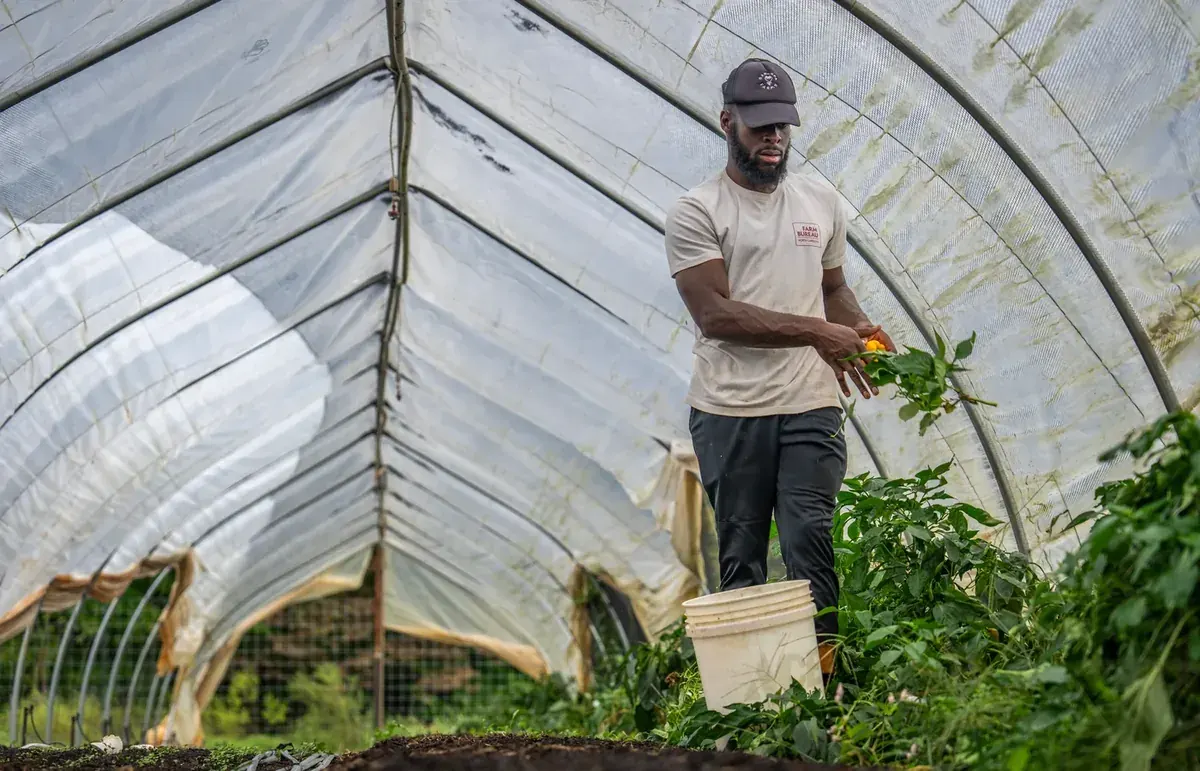
Shade net, polyhouse and ventilation principles for microclimate management.
Nutrition and irrigation
Soil or media testing awareness, fertigation basics and water-use discipline.
Crop protection
Scouting, hygiene, physical controls and responsible escalation for pest advice.
Harvest and value chain
Maturity indices, grading, packaging, cold-chain awareness and market records.
Institute Skill Curriculum
The Exotic Vegetable Cultivation programme introduces the cultivation, hygiene, handling and enterprise topics presented on this page through an institute-level skill curriculum.
Practical Learning
Practical activities may include
- Preparing nursery trays and sowing plans
- Transplant spacing and crop-support demonstrations
- Irrigation scheduling and observation records
- Pest and deficiency scouting exercises
- Harvest grading, packaging and cost-return worksheet
Equipment and resources
- Nursery trays, media and hand tools
- Drip irrigation and fertigation awareness
- Shade-net or greenhouse structures
- pH, moisture and temperature monitoring tools
- Crates, weighing scale and packaging materials
Programme Features
Skills Developed
- Prepare a nursery and transplant schedule
- Maintain crop, irrigation and input records
- Identify common stress signs for expert referral
- Apply hygiene and responsible crop-protection practices
- Build a basic production and market plan
Enterprise Pathways
- Start a small specialty-vegetable or aromatic-crop unit
- Sell produce directly to households, local markets or suitable retailers
- Supply specialty produce to restaurants, hotels or food businesses
- Develop nursery or seedling sales where practical and permitted
- Offer cultivation demonstrations or beginner training after gaining field experience
Entrepreneurship & Self-Employment Guidance
This skill programme can support learners planning diversified or higher-value crop activities. Guidance focuses on crop selection, production records, buyer research, grading, packing, direct sales, nursery opportunities and phased small-business planning.
Business opportunities depend on crop suitability, practical competence, local demand, buyer requirements and applicable agriculture, trade and licensing rules. The programme does not guarantee income or market access.
Who This Programme Suits
This programme is designed for learners who are interested in cultivation, production and small-enterprise activities, value practical learning and can follow structured safety, teamwork and documentation practices.
Admission Enquiry
- Choose the programmeReview the overview, subjects, practical learning and enterprise direction for the course.
- Contact admissionsShare your name, preferred programme and location through WhatsApp or phone.
- Submit the applicationComplete the online form or application process with the documents requested by admissions.
- Confirm enrolmentReceive the current fee, batch timing and joining information from the admission team.
Frequently Asked Questions
Review the programme overview, published duration, learning areas, practical components, enterprise direction and current admission information on this page.
The page describes programme-linked practical learning, supervised familiarisation and the relevant safety or documentation context.
Contact the admission team for the current eligibility route, branch, timetable, fee and joining information before applying.
Use the admission enquiry first, then continue through the official online application or the institute's published application process.
Possible pathways include specialty-crop production, direct or retail sales, restaurant and hotel supply, nursery or seedling activity where appropriate, protected-cultivation support, and demonstrations or beginner training after gaining field experience. Results depend on crop suitability, demand and local requirements.